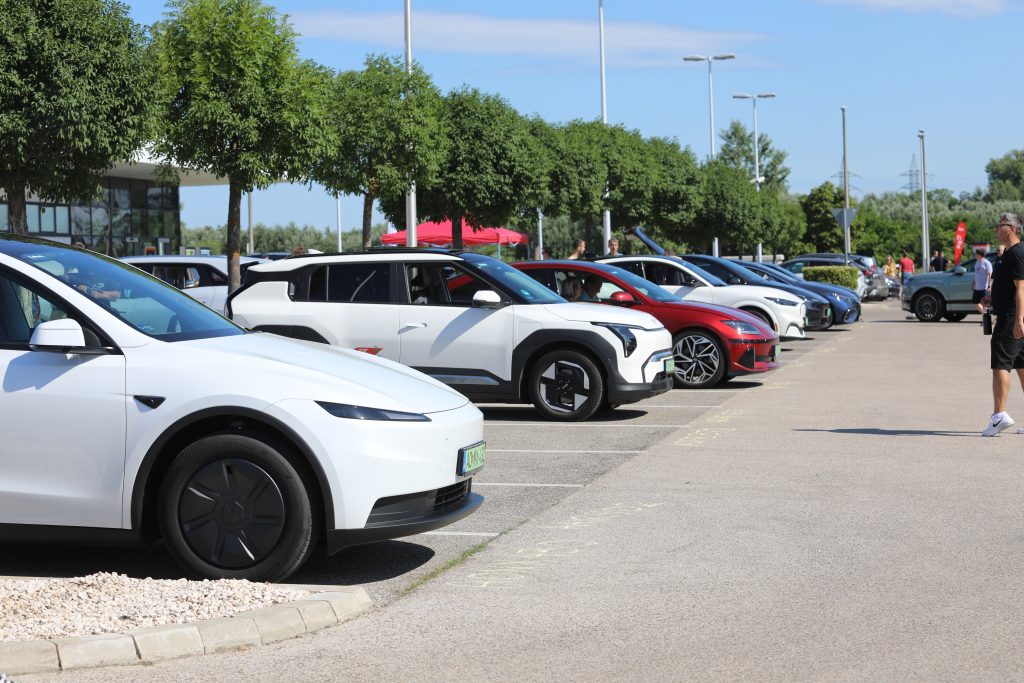

Winter Reality Check: What to Expect When Traveling by EV

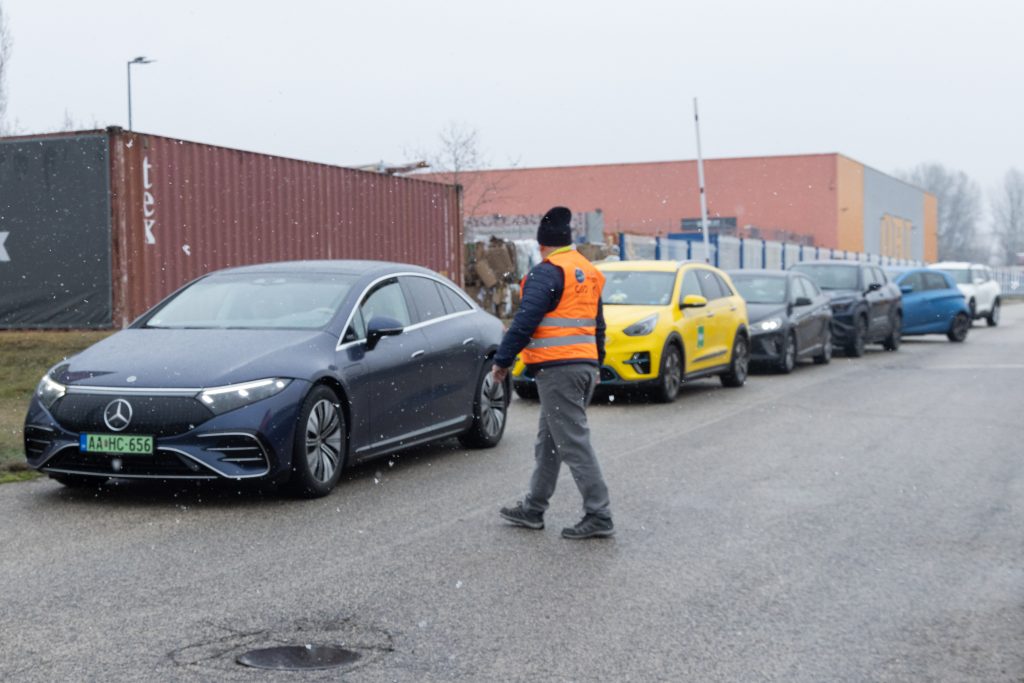
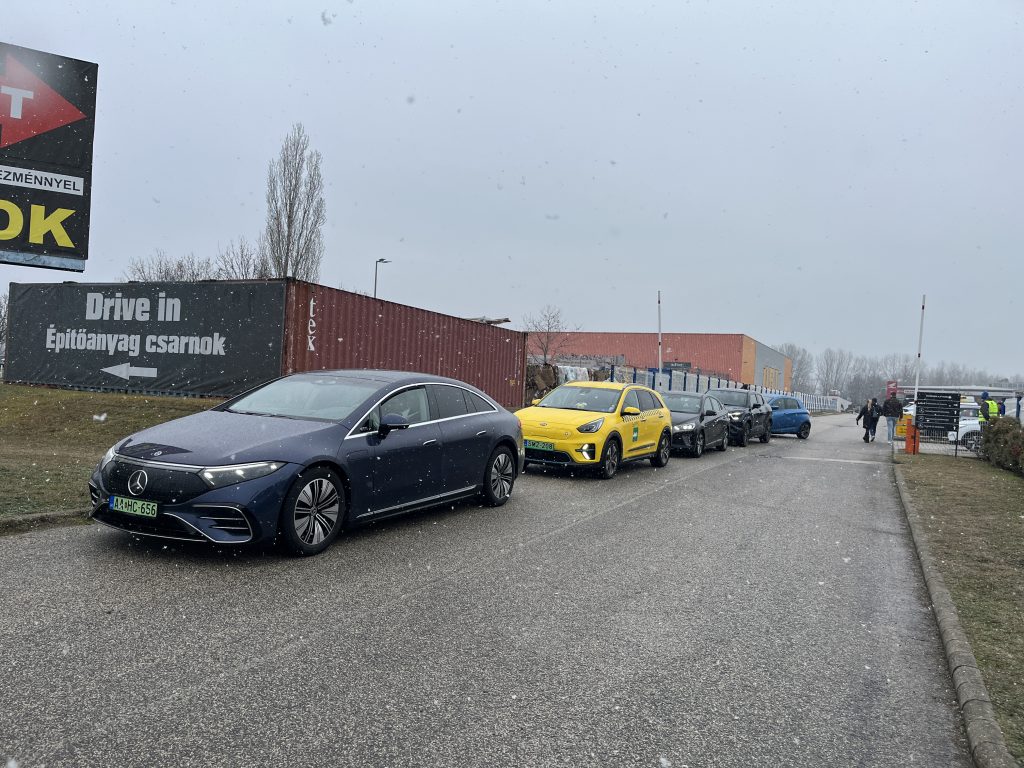
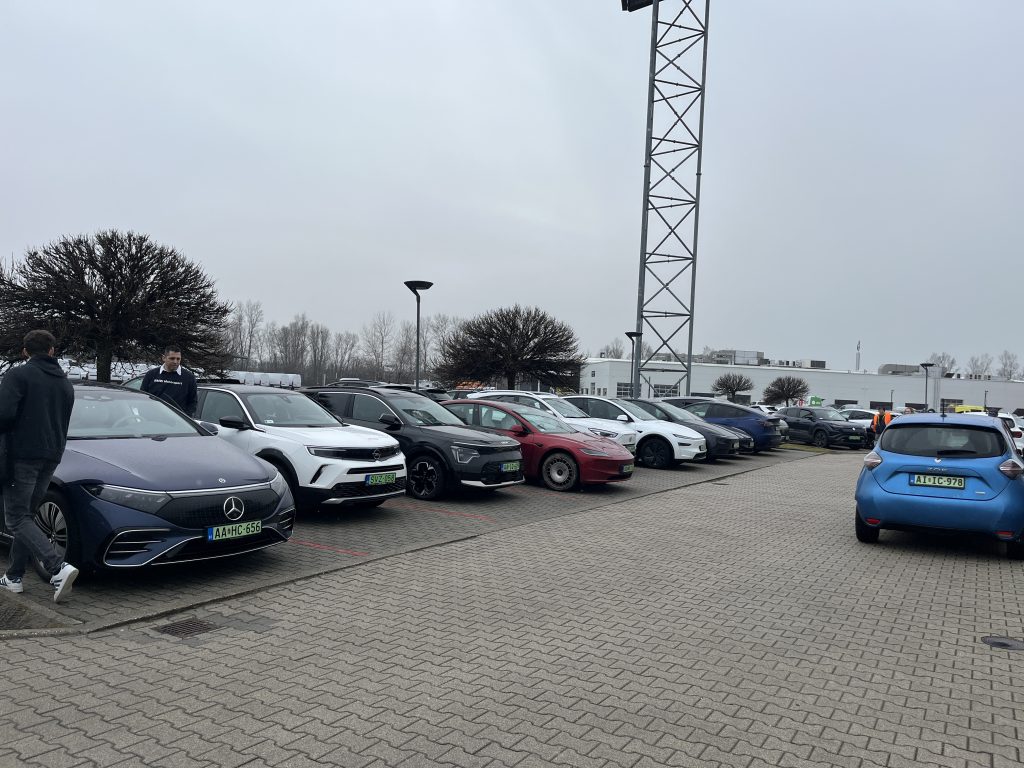
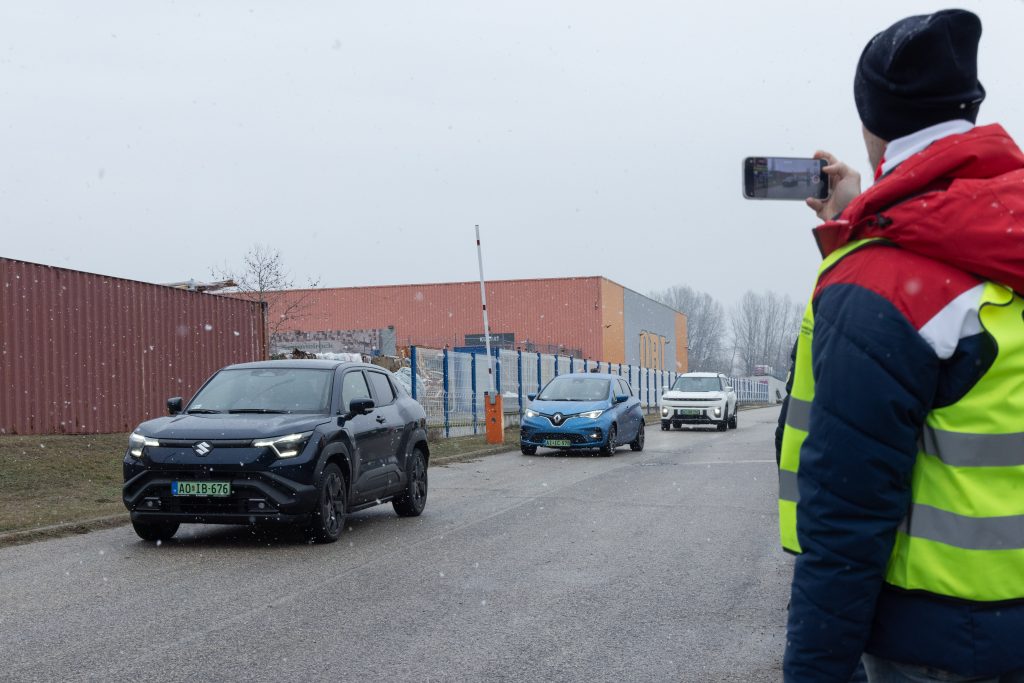
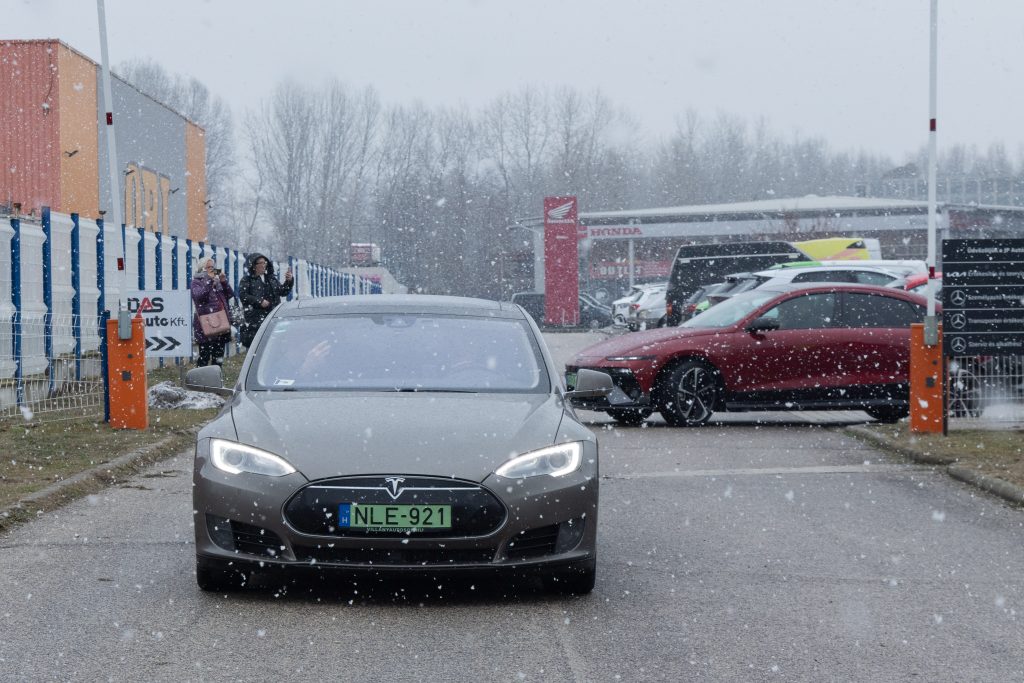
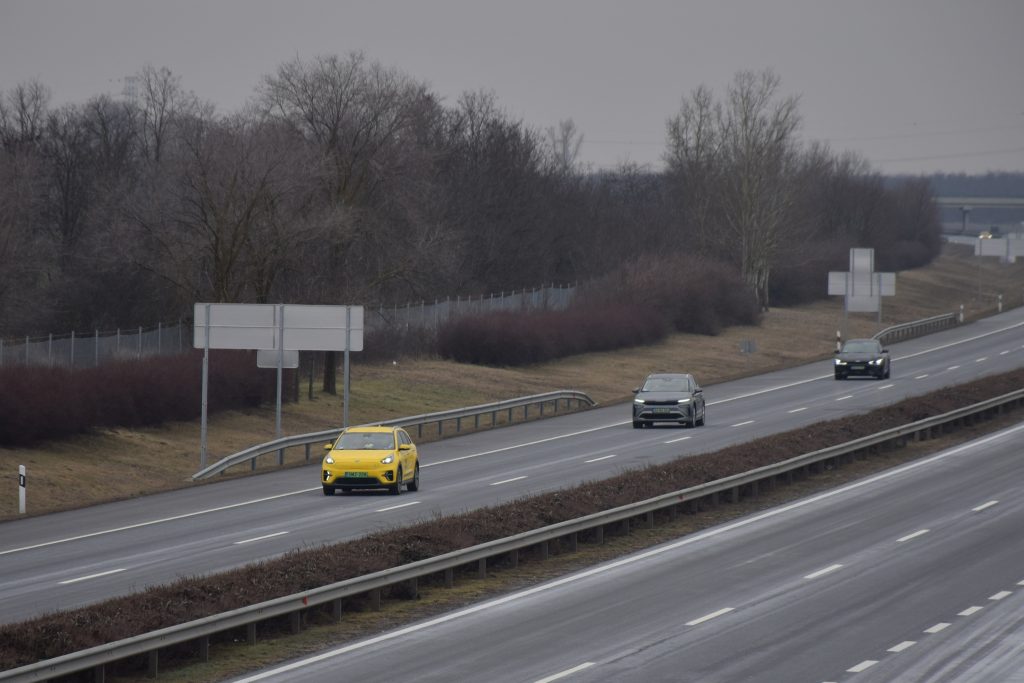
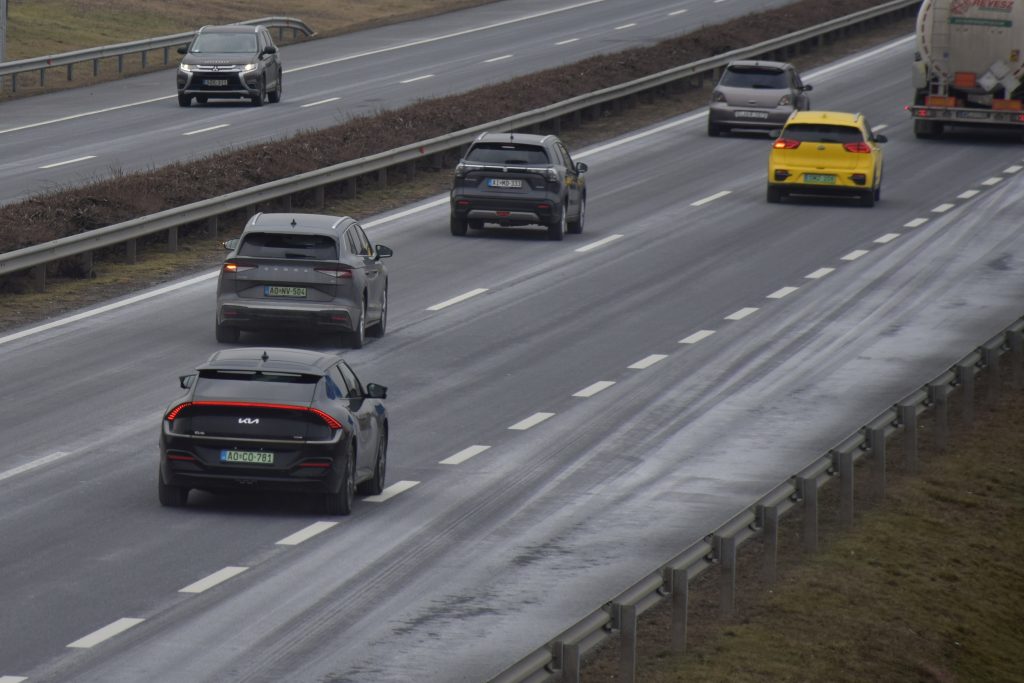
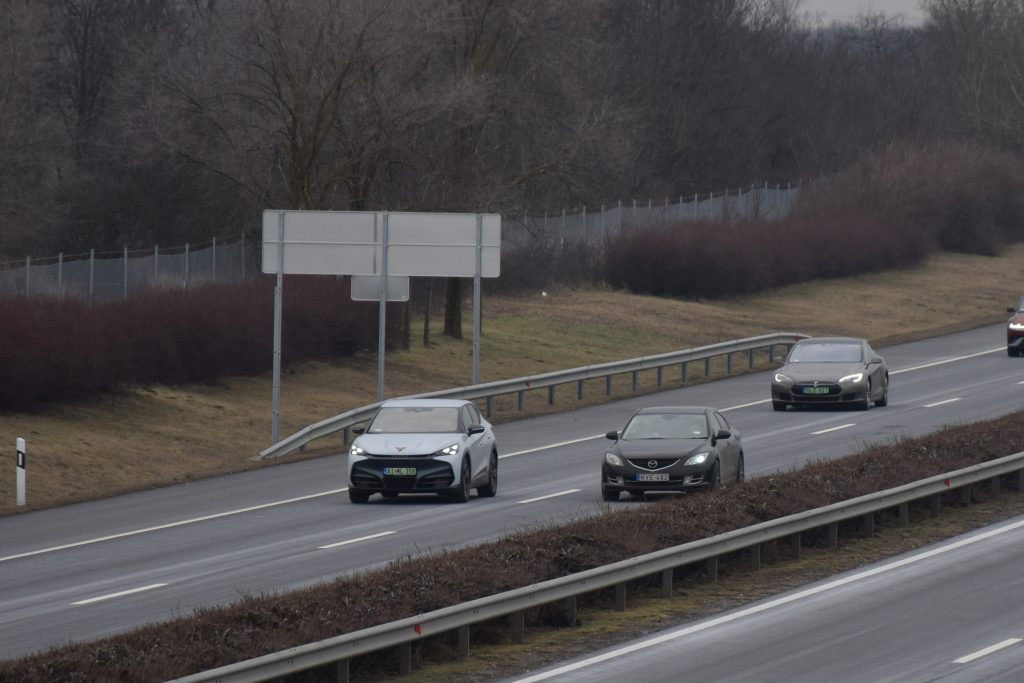
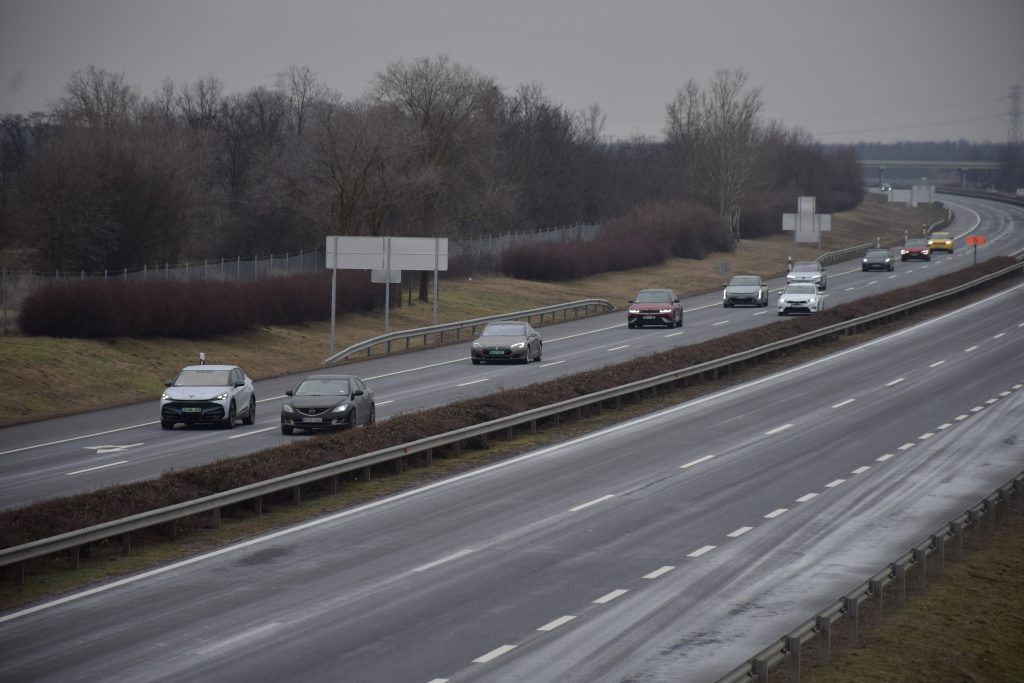
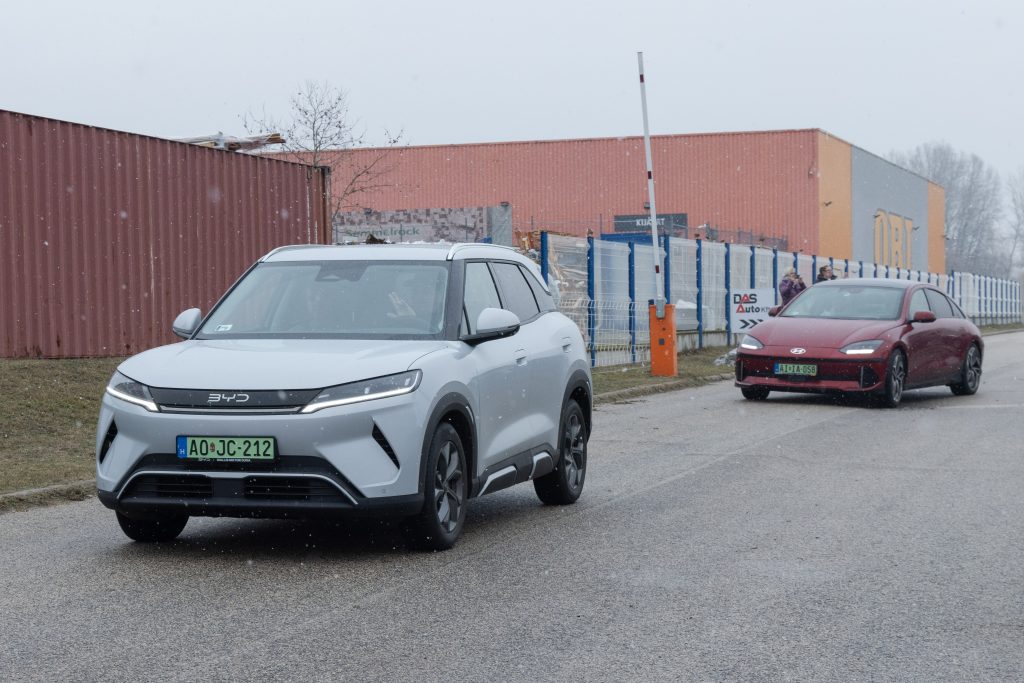
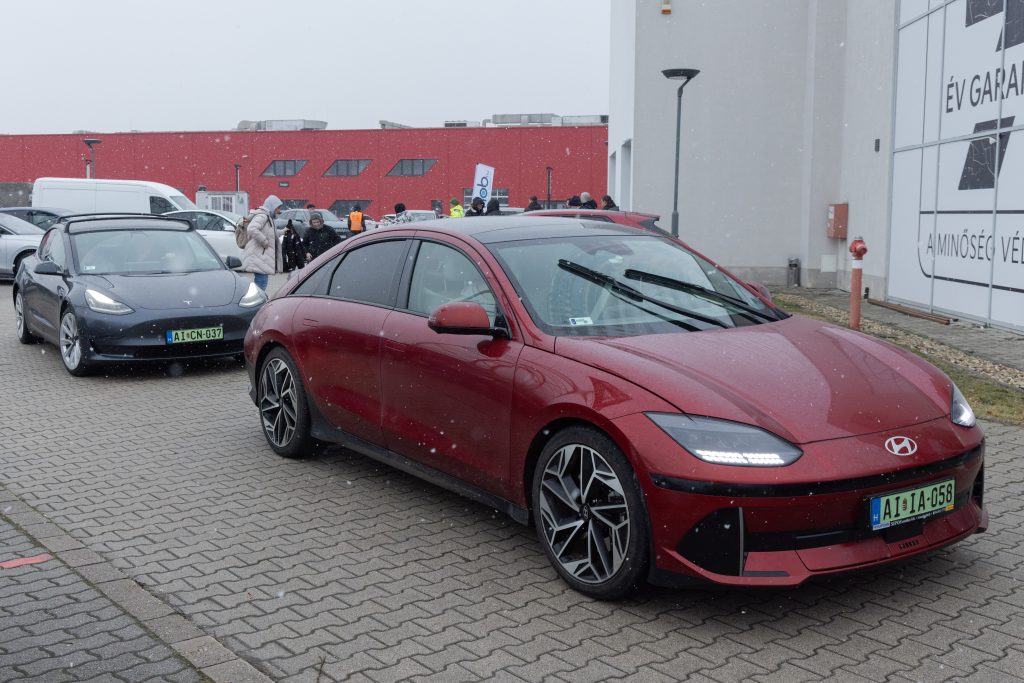
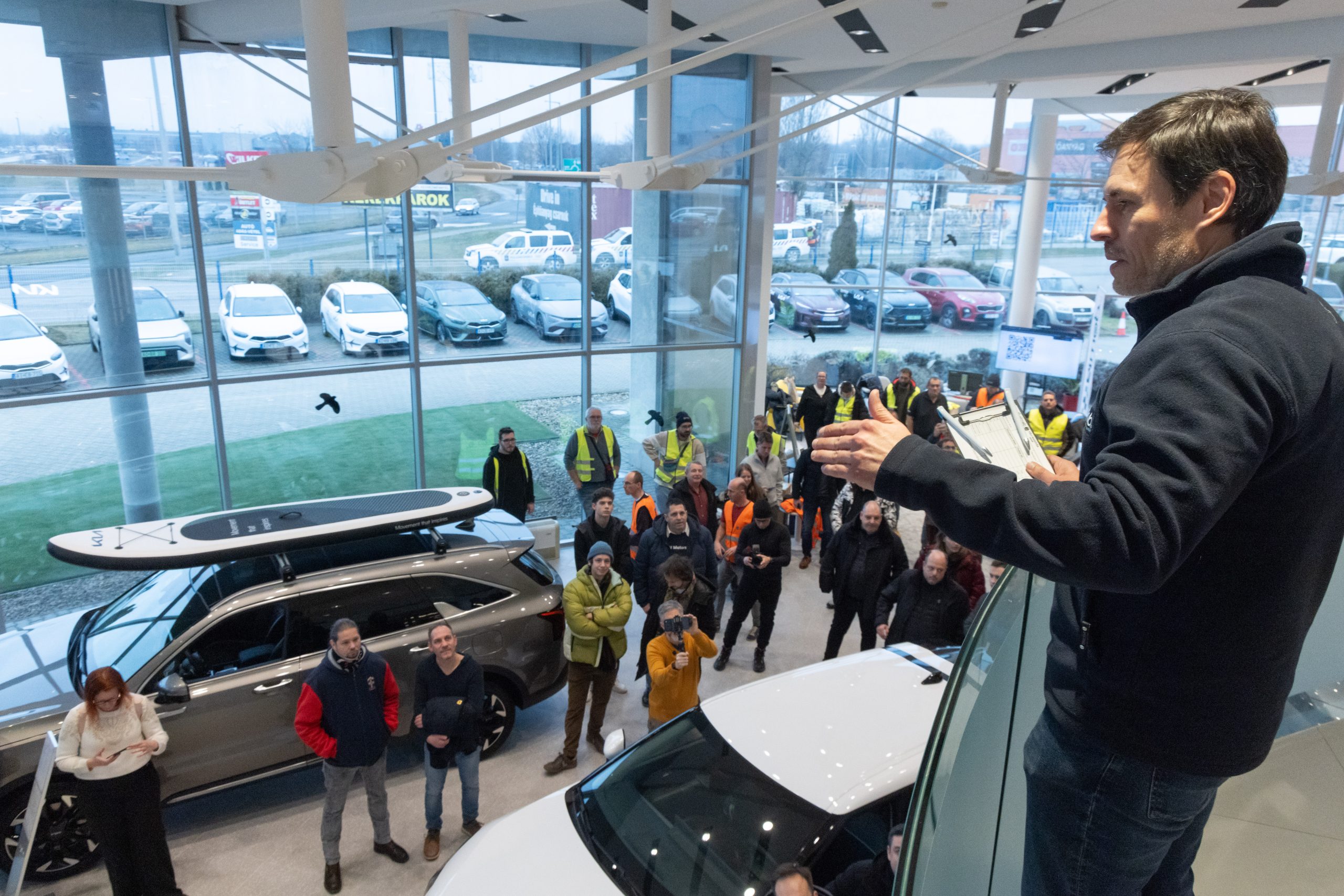
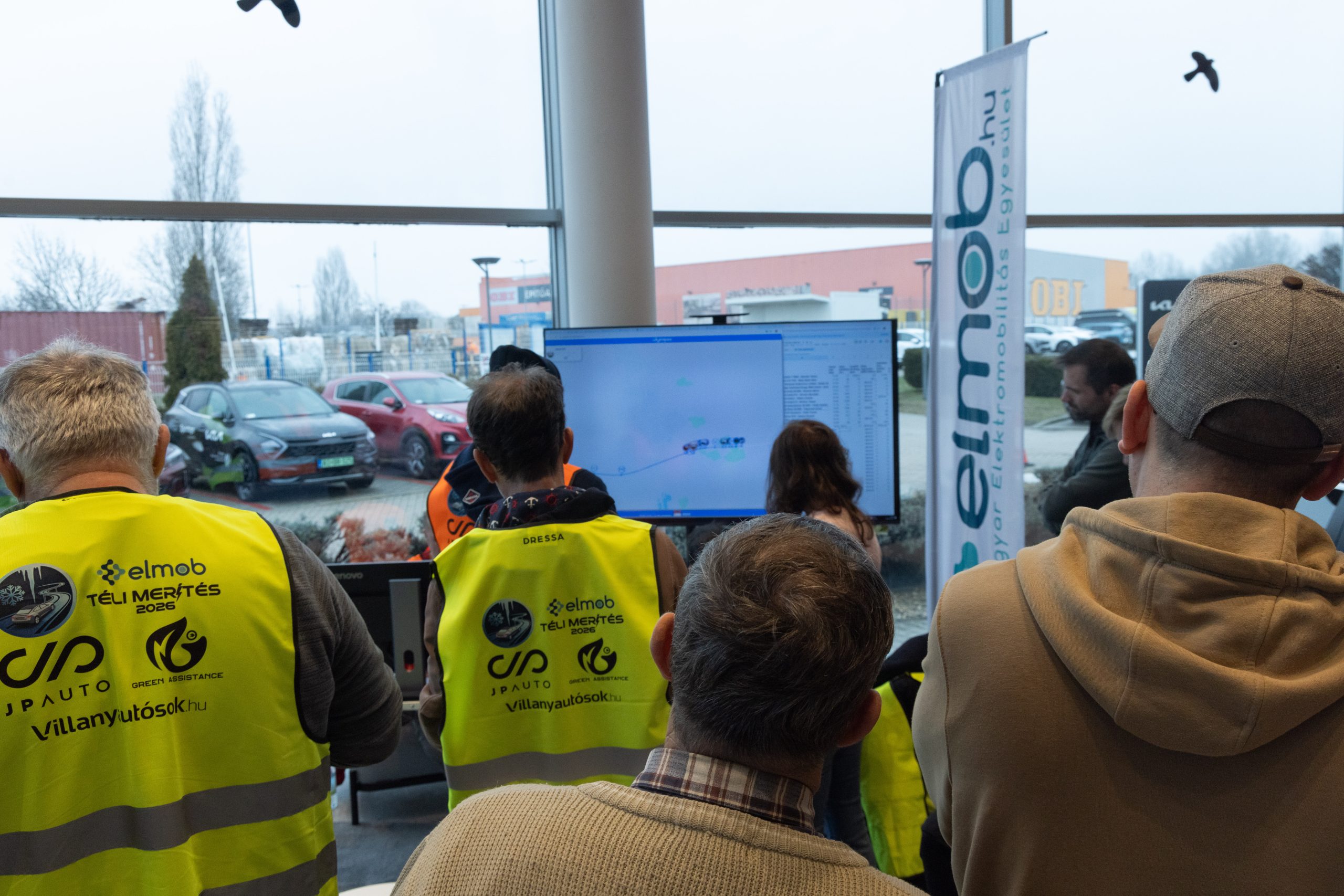
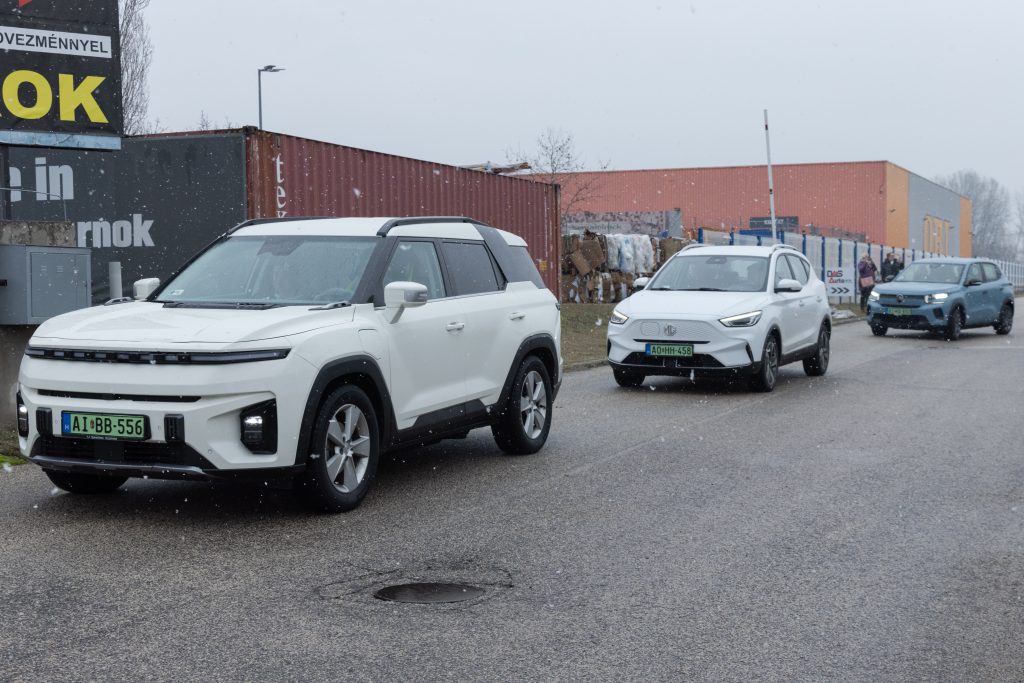
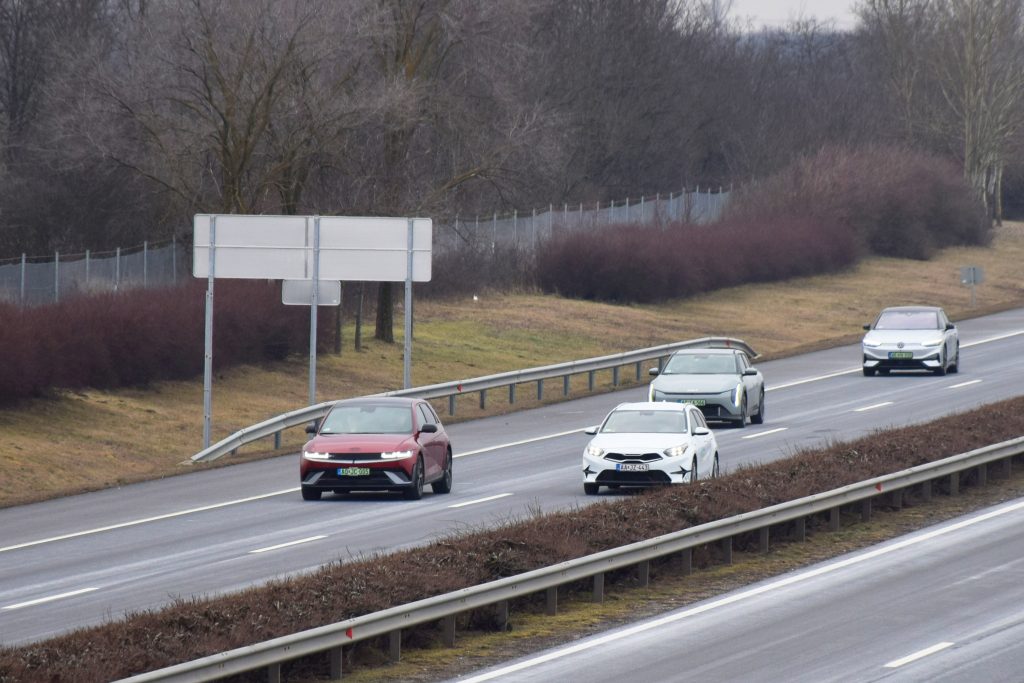
Winter Discharge 2026. This was the name of the very first winter range test organized by the Hungarian Electromobility Association (ELMOB), with 31 fully electric cars taking part. The goal was simple but ambitious: to find out the real-world winter range of popular EVs under identical conditions—no eco-driving, no shortcuts. The cars were driven on the motorway at the highest legally permitted speed (130 km/h or 80.8 mi/h), straight through winter conditions, until they came to a complete stop.
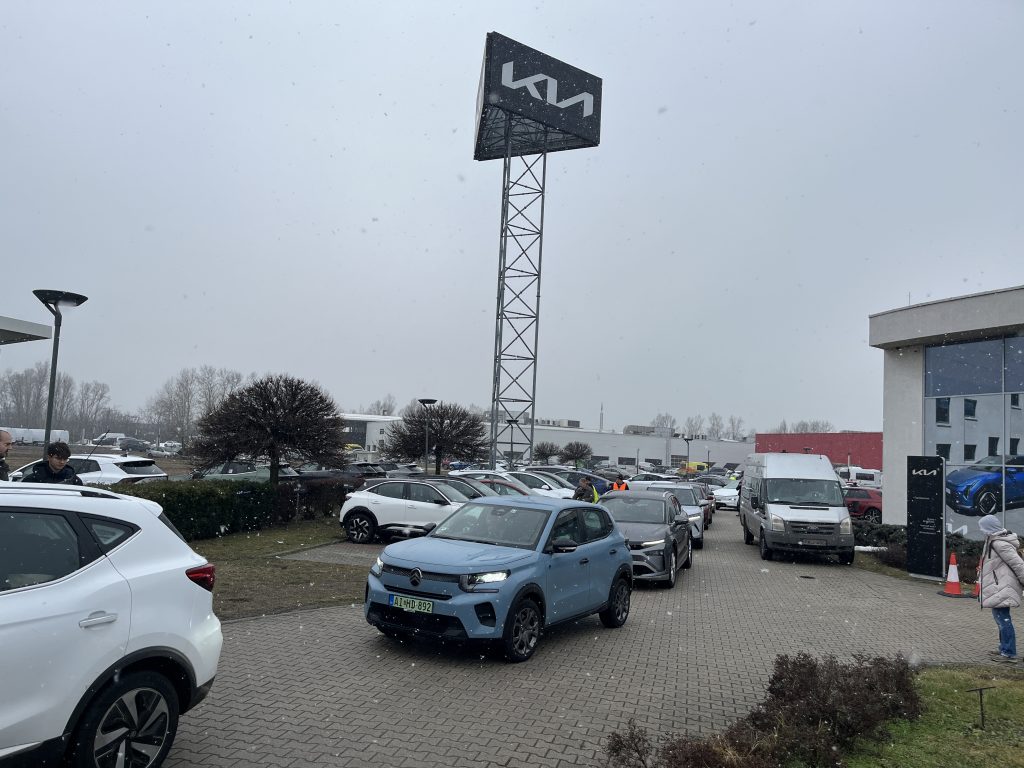
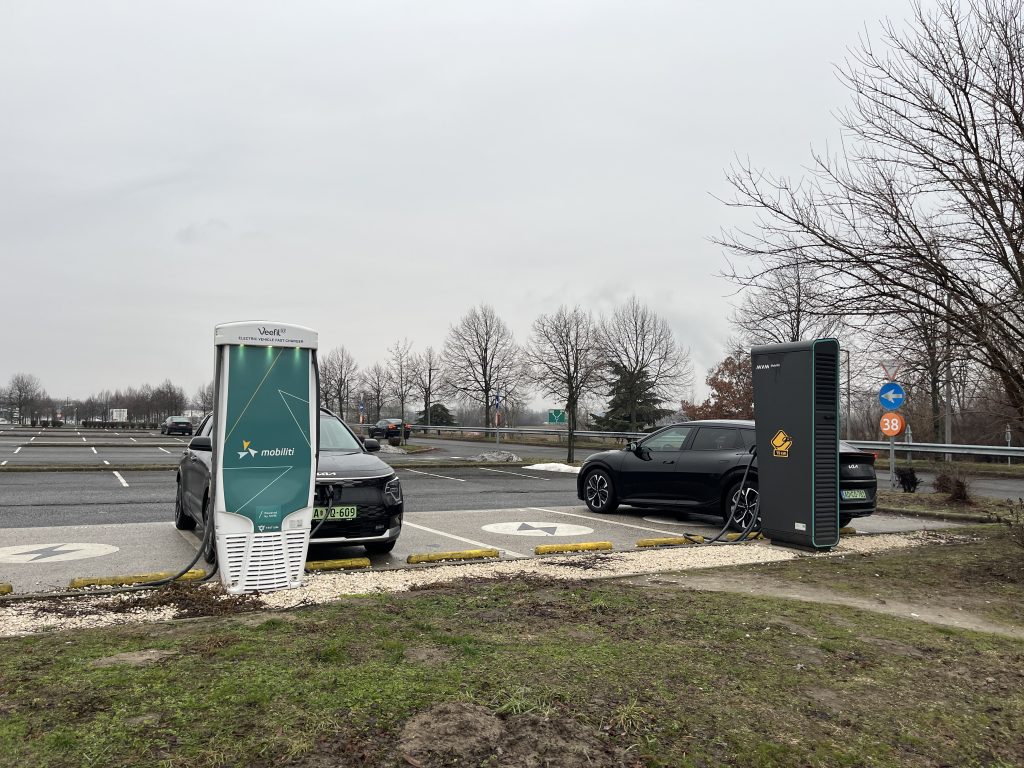
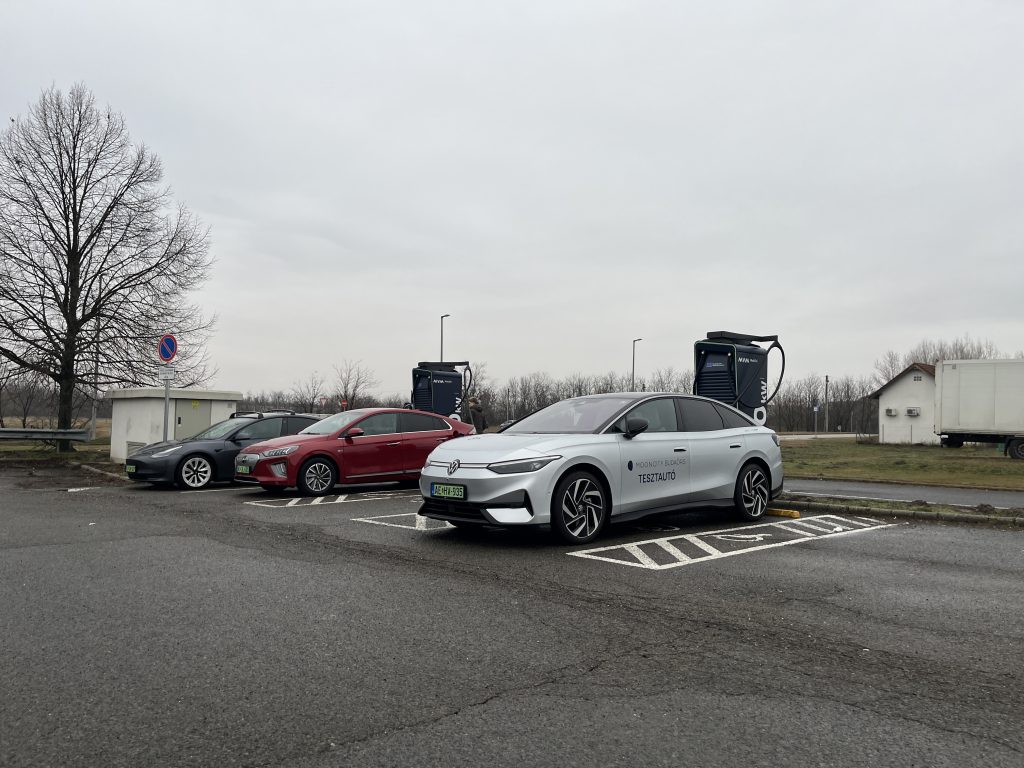
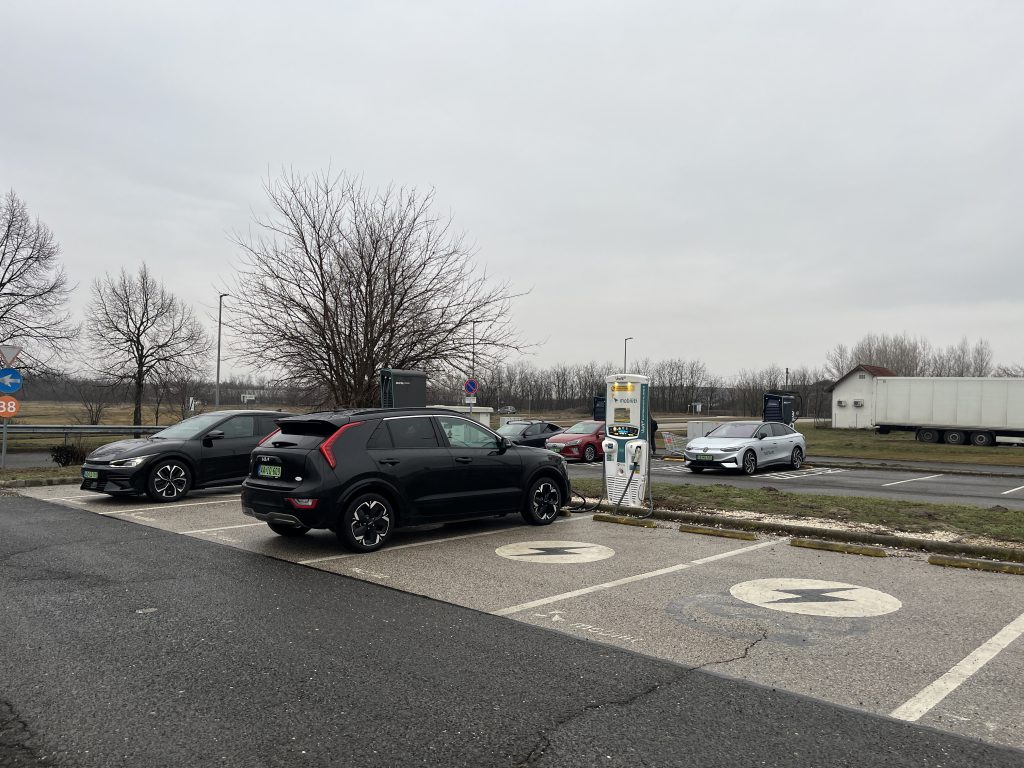


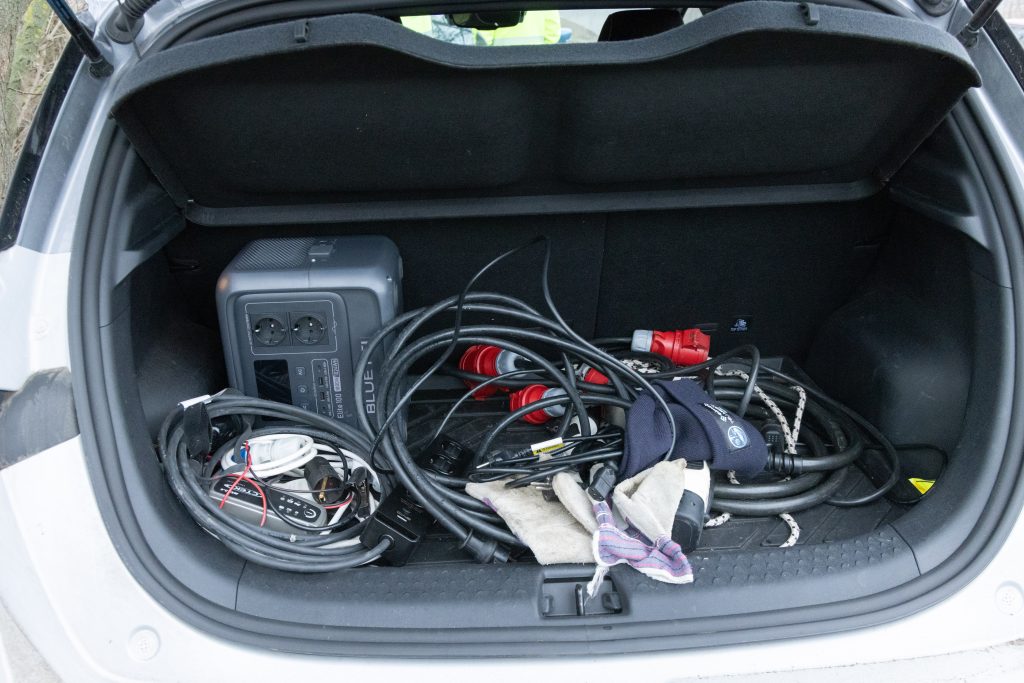
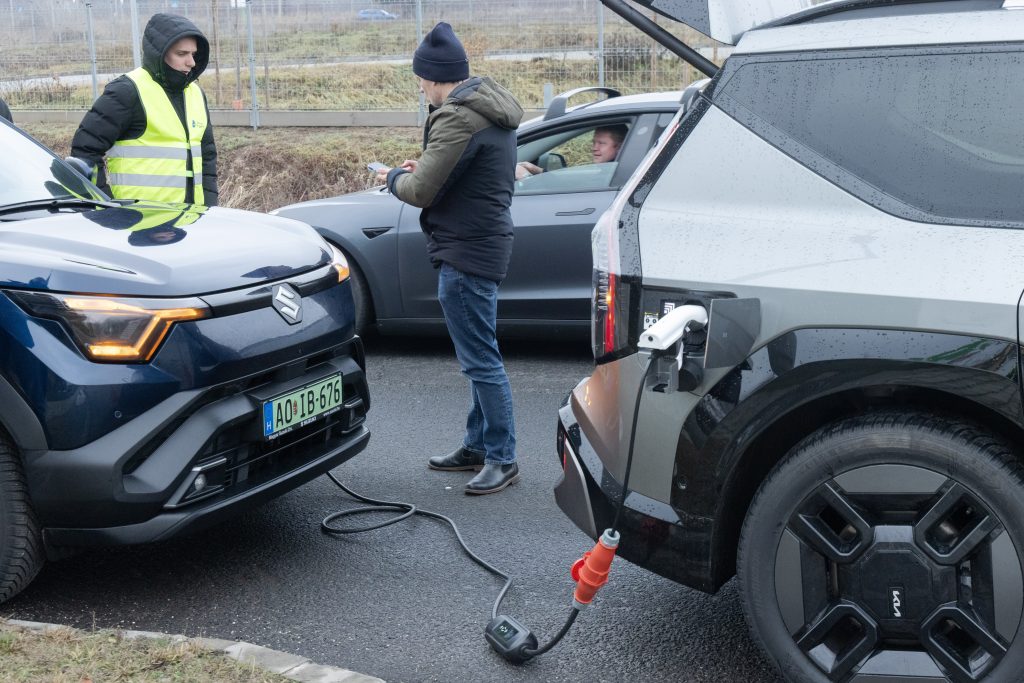
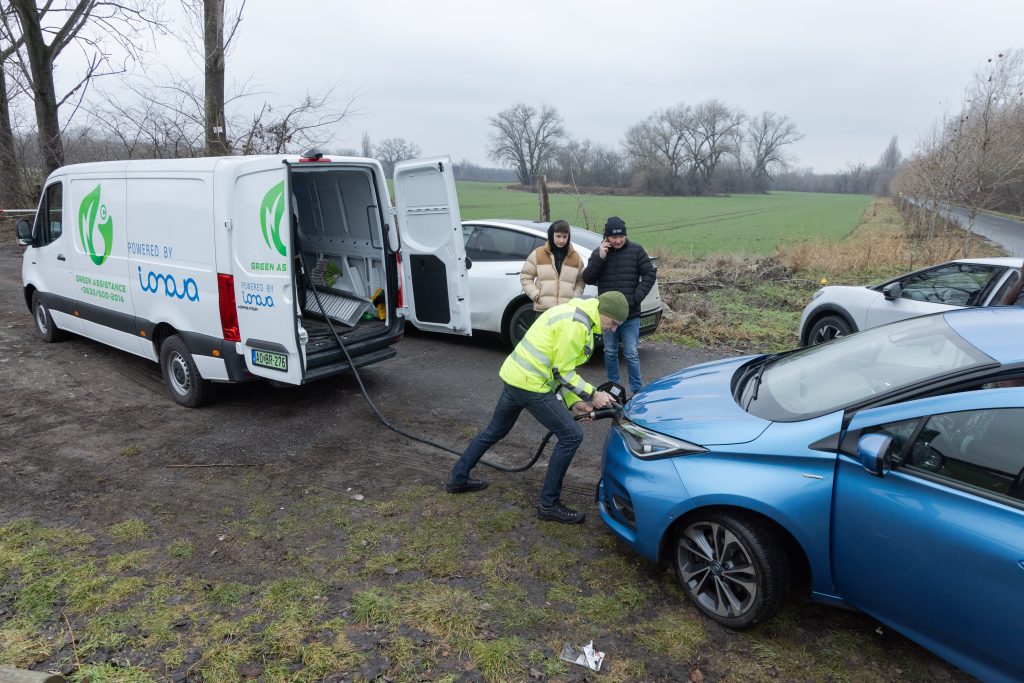
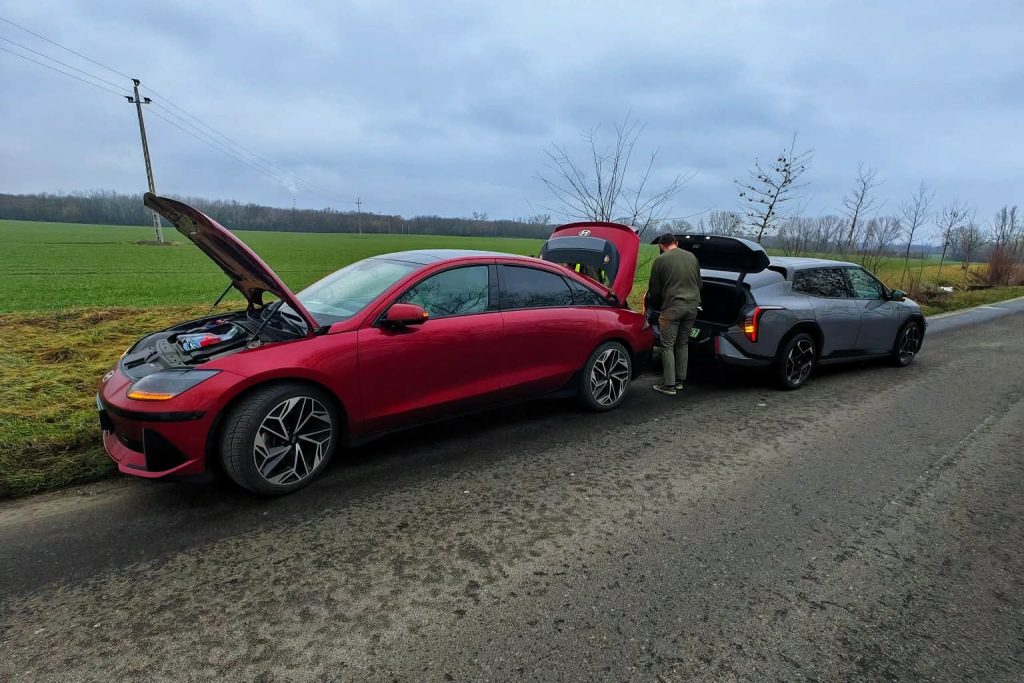
Participants drove their cars all the way down to empty, which also allowed the test to reveal how many extra kilometers each model could still cover after reaching 10% and even 0% state of charge, before finally stopping.

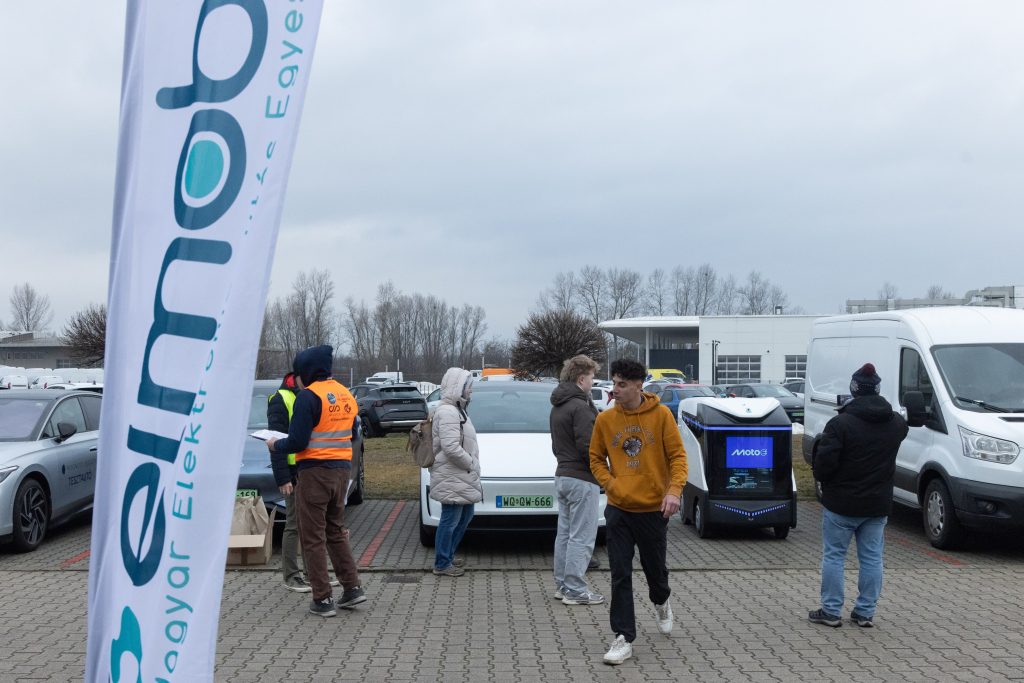
Real cars, real mileage
Roughly two-thirds of the 31-car fleet consisted of privately owned vehicles from ELMOB members and supporters. Many of these were far from new: several had already covered 150–200 thousand kilometers, and the record-holder was a Kia e-Niro taxi with 350,000 km on the clock. The remaining third of the lineup was made up of brand-new cars provided by official importers.
The route took the cars east on the motorway toward Miskolc, before turning back and returning—fully depleted—to the area around the starting point in Fót.
Mercedes takes the lead
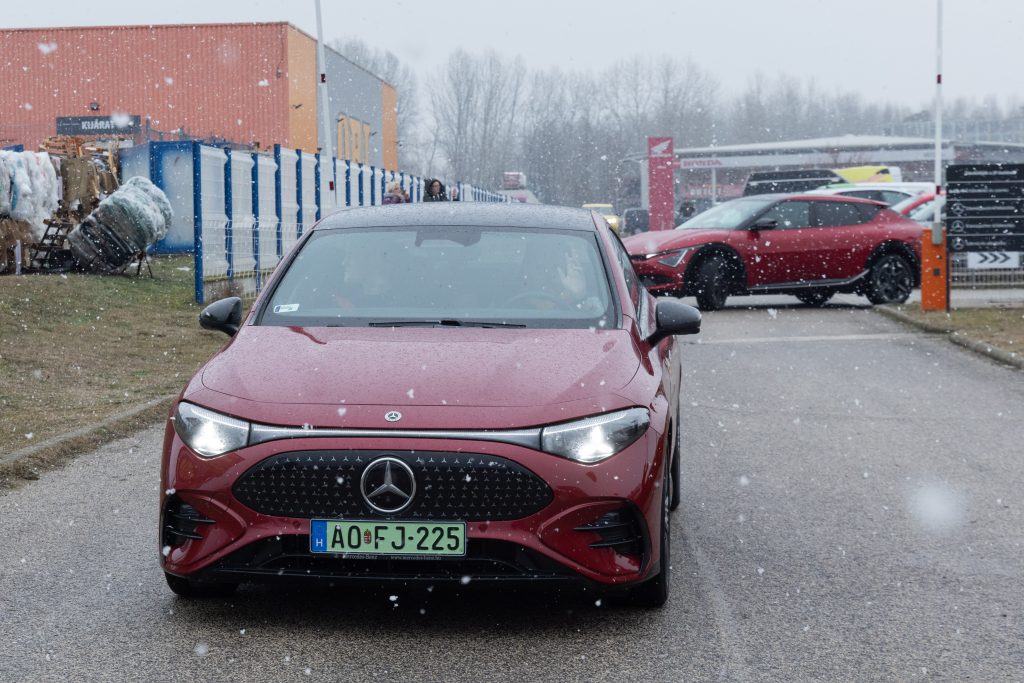
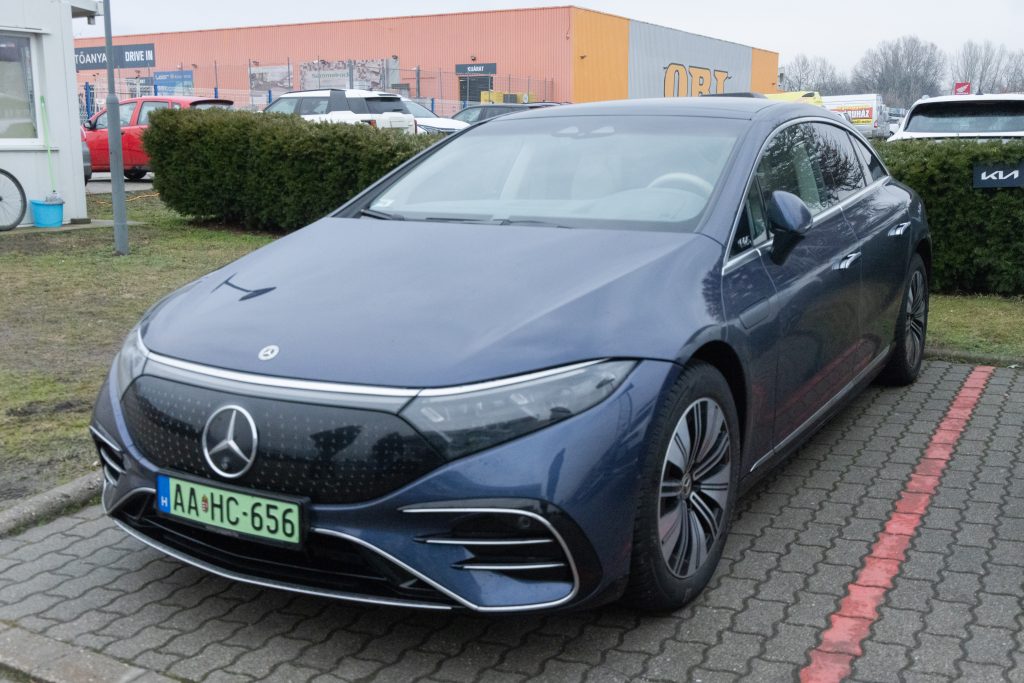
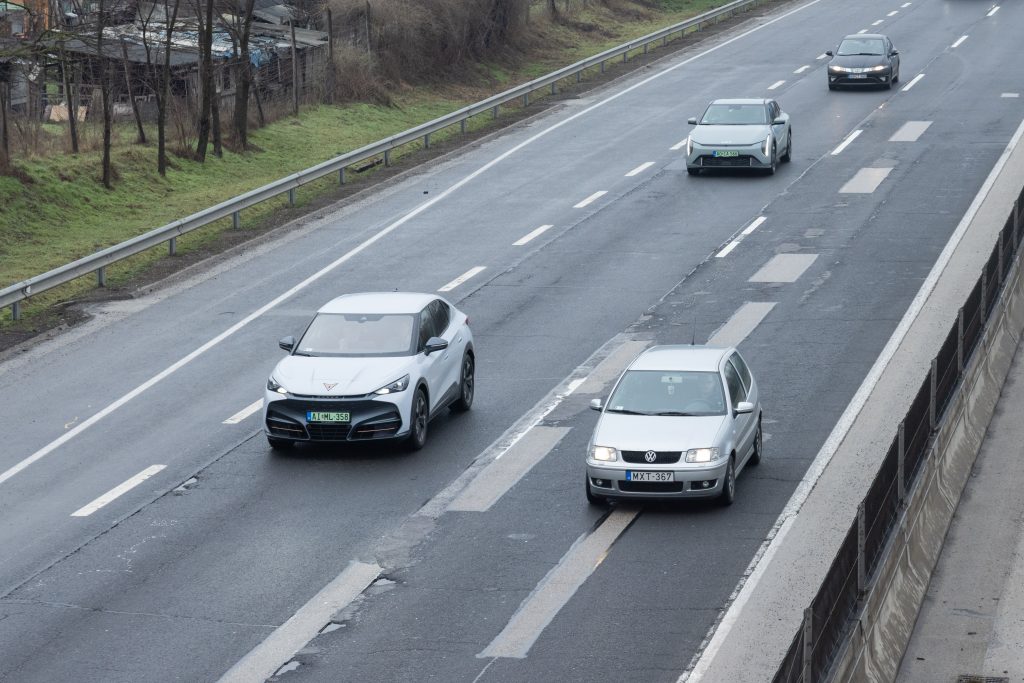
The longest distance on a single half-charge—over 190 km from starting point—was achieved by two Mercedes-Benz models (the EQS 450+ and CLA 250+), joined surprisingly by the Kia EV4 Fastback.
The overall winter range winner was the Mercedes-Benz EQS 450+, which covered 485 km in total before stopping completely. Of this, 415 km were driven on the motorway. The car left the motorway at 5% state of charge, then managed another 34 km down to 0%, and even below zero it still had an impressive 36 km worth of reserve.
Second place went to the Mercedes-Benz CLA 250+, which reached 463 km before full depletion. It also proved to be the most efficient car in the test, covering 374 motorway kilometers at an average speed of 118 km/h, with an average consumption of just 20.45 kWh/100 km.

Korean surprise on the podium
Third place went to a significantly more affordable model, the Kia EV4 Fastback, which managed 397 km until empty. Of this, 344 km were motorway driving, with an excellent 21.1 kWh/100 km average consumption at 116 km/h.
Efficiency beats battery size
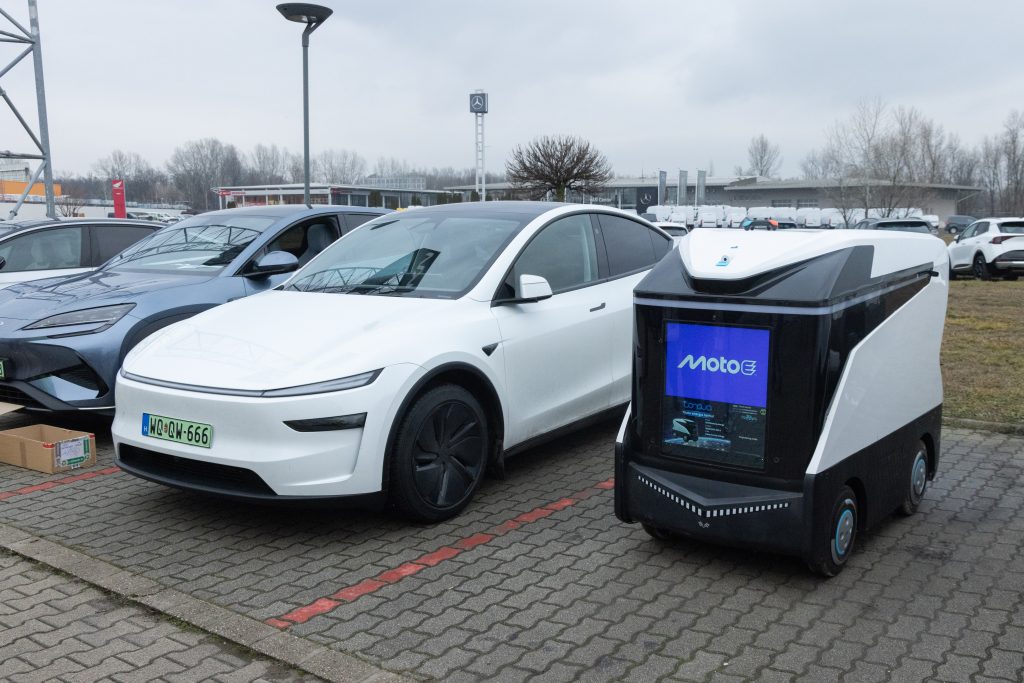
Among SUVs, the top performers were the Tesla Model Y variants—two of them participated. Both had relatively small batteries: one was the new, stripped-down Standard version, the other the Premium variant.
On the motorway, the Model Ys averaged 21.7 and 22 kWh/100 km, covering 252 km and 248 km respectively. Their total range until full depletion came to 306 km and 292 km.
The hungry ones
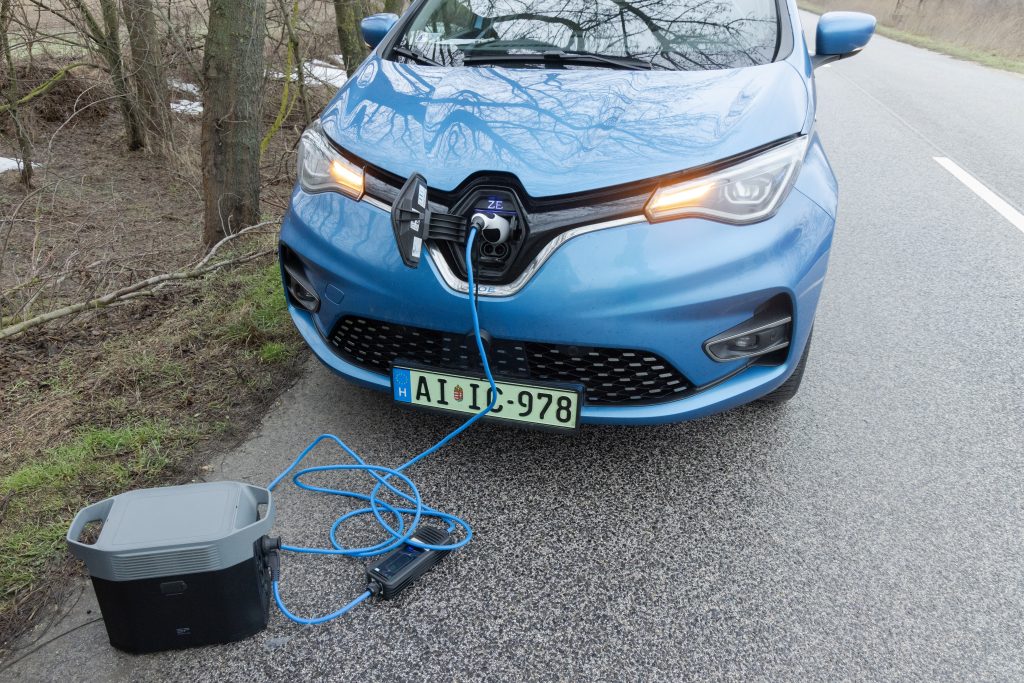
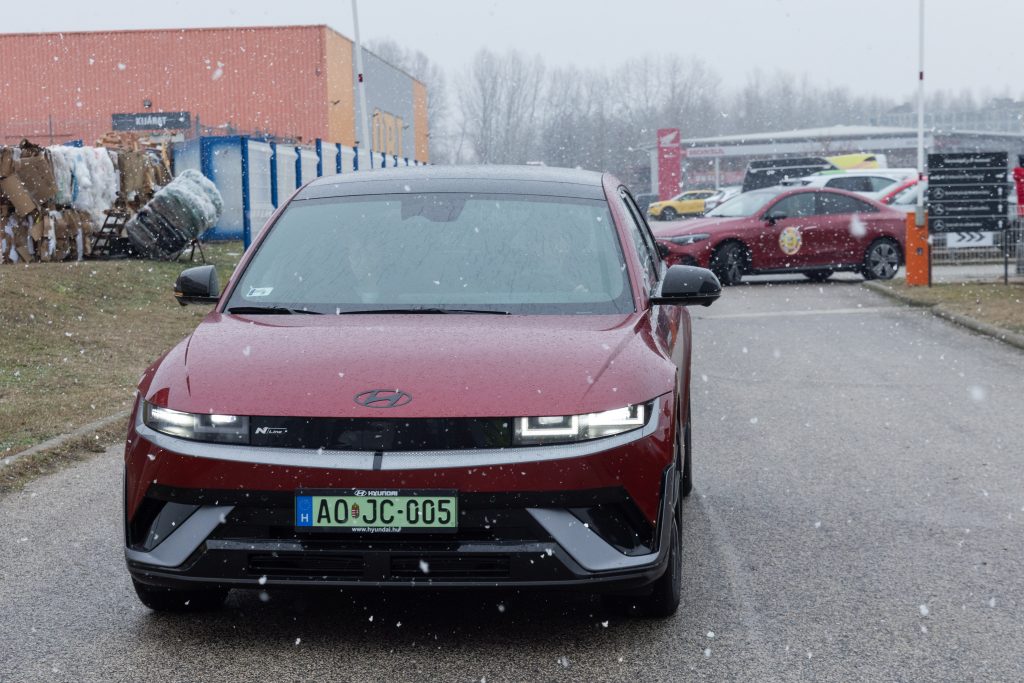
At the other end of the scale were models with motorway consumption around or above 30 kWh/100 km. This group included the BYD Sealion 7 (31.9 kWh/100 km), KGM Torres EVX (29.8), BYD ATTO 2 (28.3), and—surprisingly—the all-wheel-drive Hyundai Ioniq 5 (28.7). The odd one out here was the Renault Zoe, with 29.5 kWh/100 km.
Across the entire fleet, the average motorway consumption was exactly 25 kWh/100 km.
MEB platform and Korea lead the mid-pack
Modern Korean EVs and Volkswagen Group’s MEB-based models performed well. After the podium-finishing Kia EV4, the Kia EV6 delivered the longest distance, followed by the rear-wheel-drive Ford Capri. Two Hyundai Ioniq 6 models came next, followed by the Volkswagen ID.7 and Cupra Tavascan in the Winter Discharge 2026 ranking.


Life after 10 years or 350,000 kilometers
One of the clearest takeaways: high mileage doesn’t kill EV batteries. The 350,000 km Kia e-Niro taxi ran out only after 257 km, while a 2017 Hyundai Ioniq Electric—now 9 years old, with over 182,000 km on the odometer and a tiny 28 kWh net battery—still managed 116 km. Of that, 80 km were driven on the motorway at 130 km/h, down to 19% charge.
Even the decidedly non-motorway-friendly 2020 Škoda Citigo e-iV, with 134,000 km, achieved 143 km before stopping—nothing to be ashamed of.
What really happens below 0%?
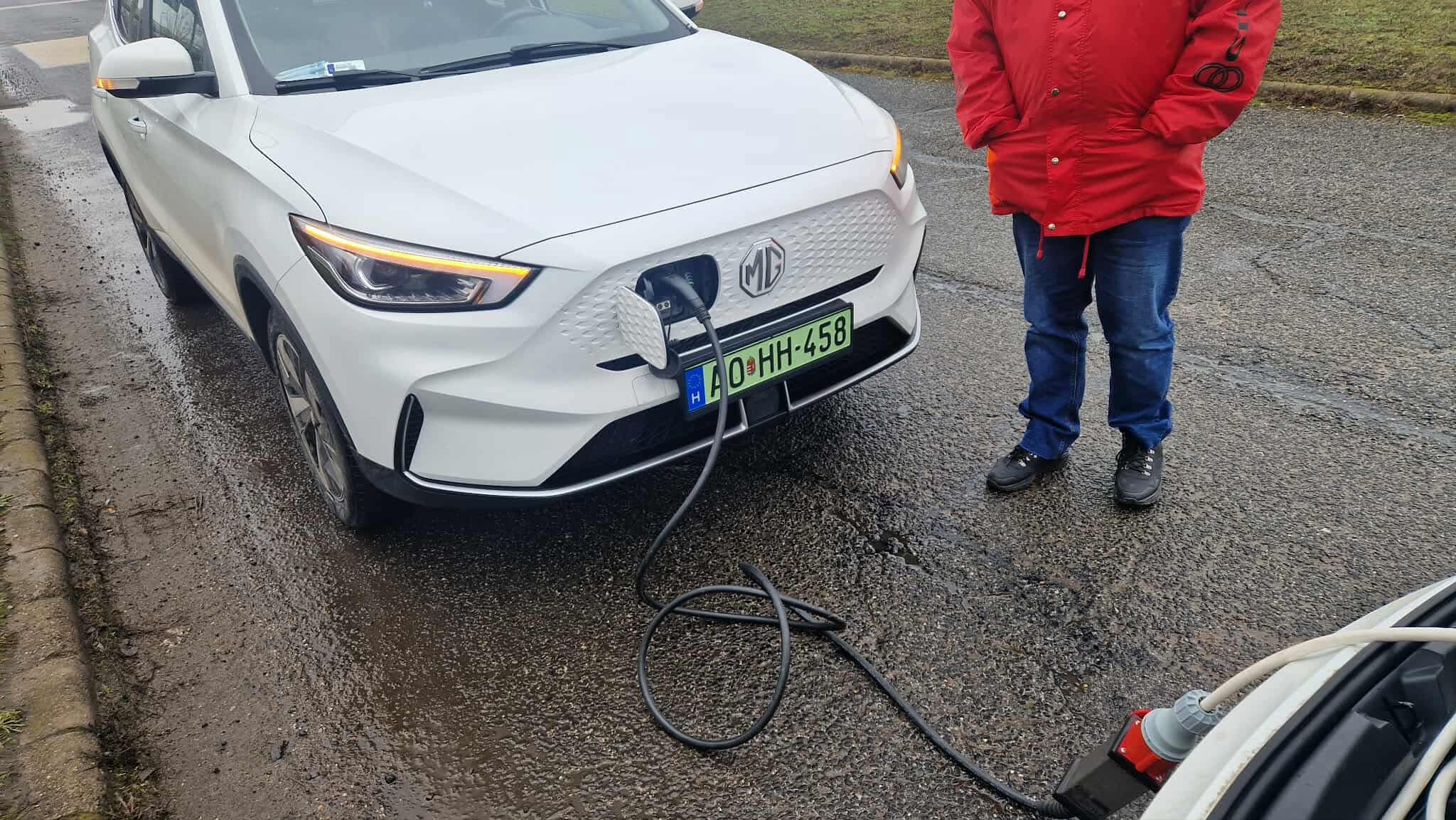
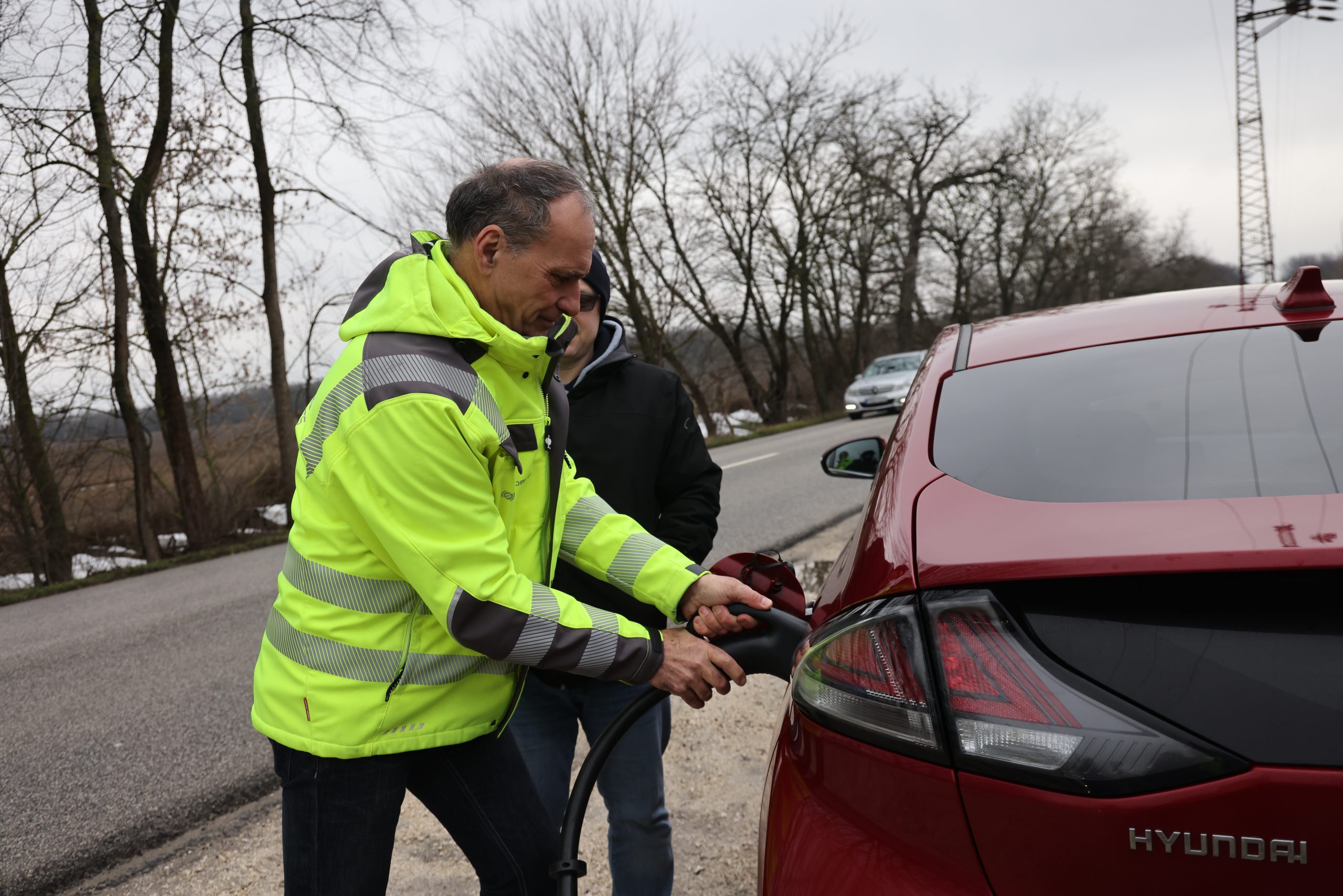
Participants also documented vehicle behavior once the dashboard showed 0% state of charge. In most cars, there is a substantial safety buffer of 5–10%, allowing another 10–20 km, depending on battery size. At this stage, most vehicles already limit motor output and/or cabin heating.
A standout exception was the Citroën ë-C3. It reached 0% after 210 km, then continued for another 32 km before stopping—meaning 15% of its total range was available below 0%.
Older Korean models, however, deviated in the opposite (and less pleasant) direction. In case of 2016–2020 Hyundai Ioniq, Hyundai Kona, and Kia e-Niro models, zero really means zero. These cars started limiting power at 4–5%, and once they reached 0%—or even 1% in the Kona’s case—they simply stopped.
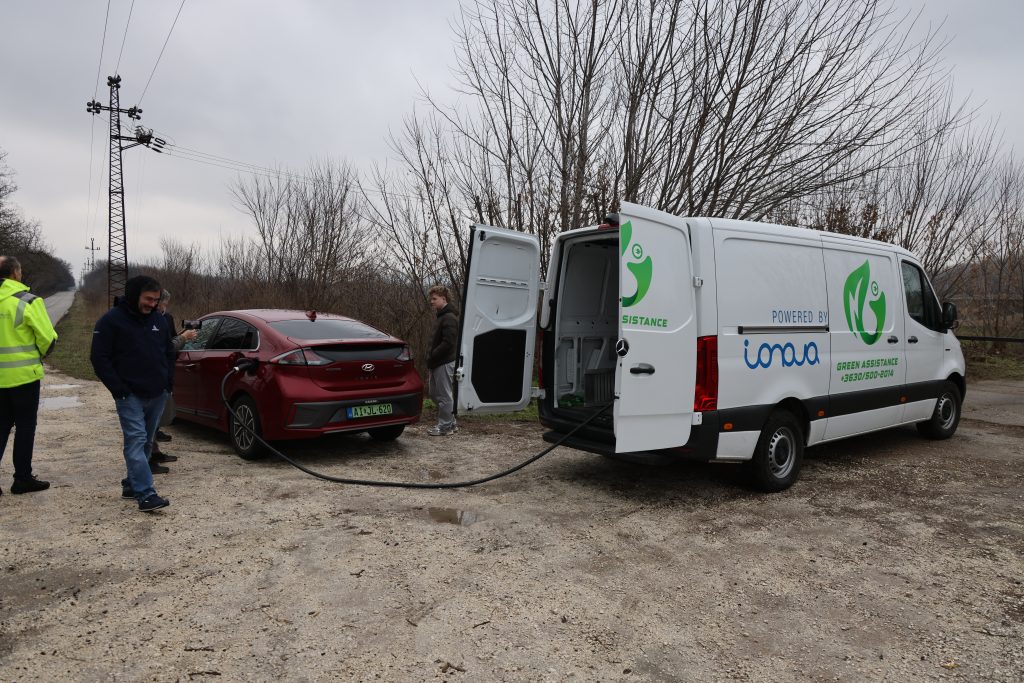
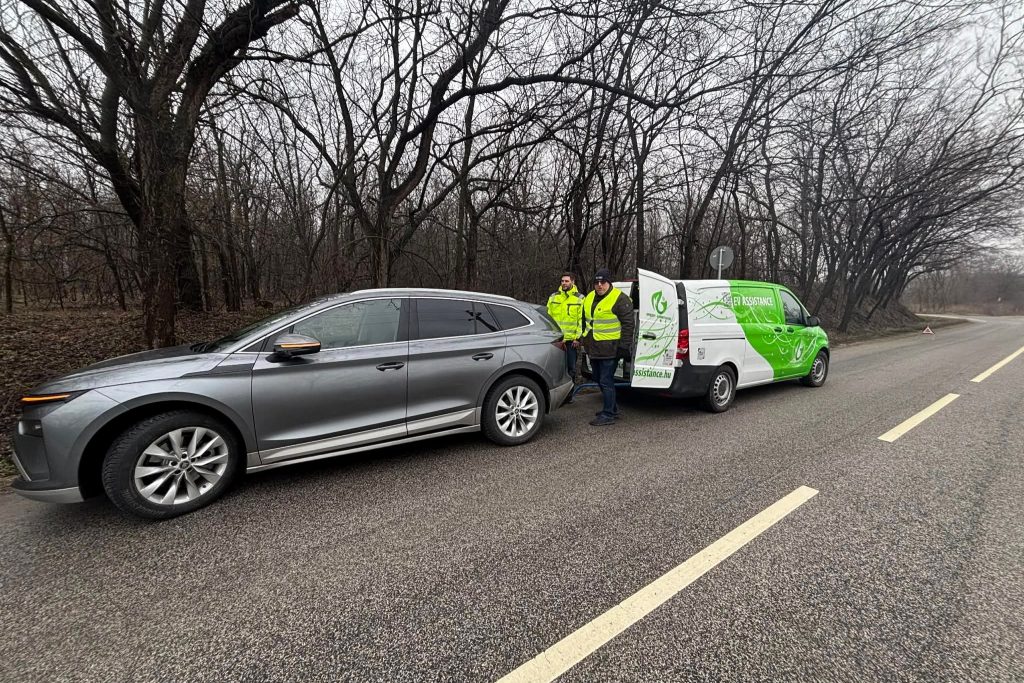
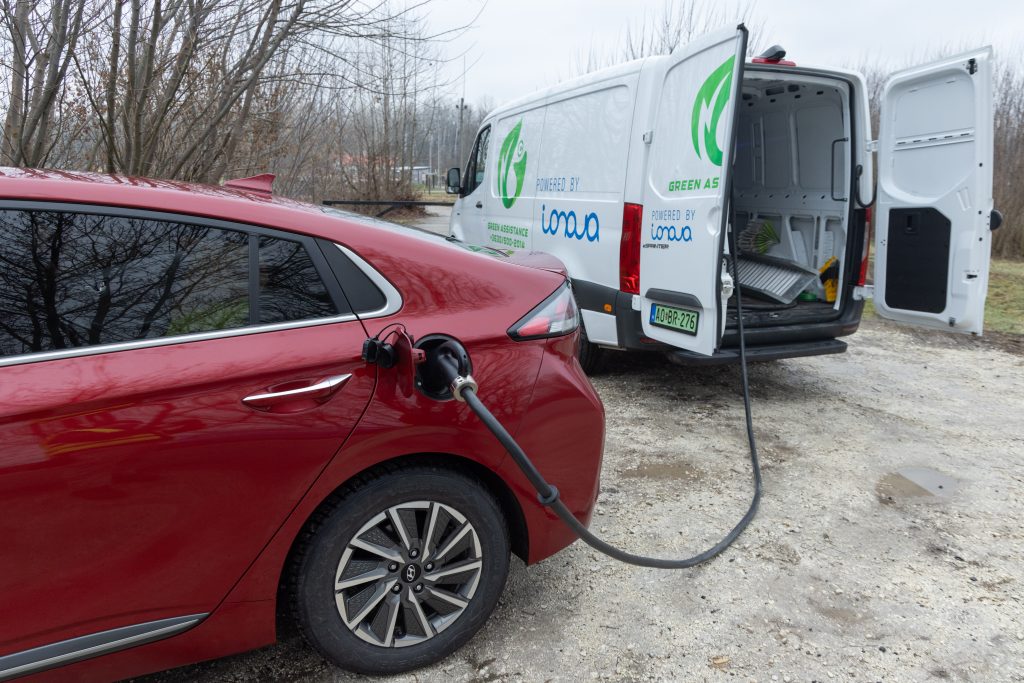
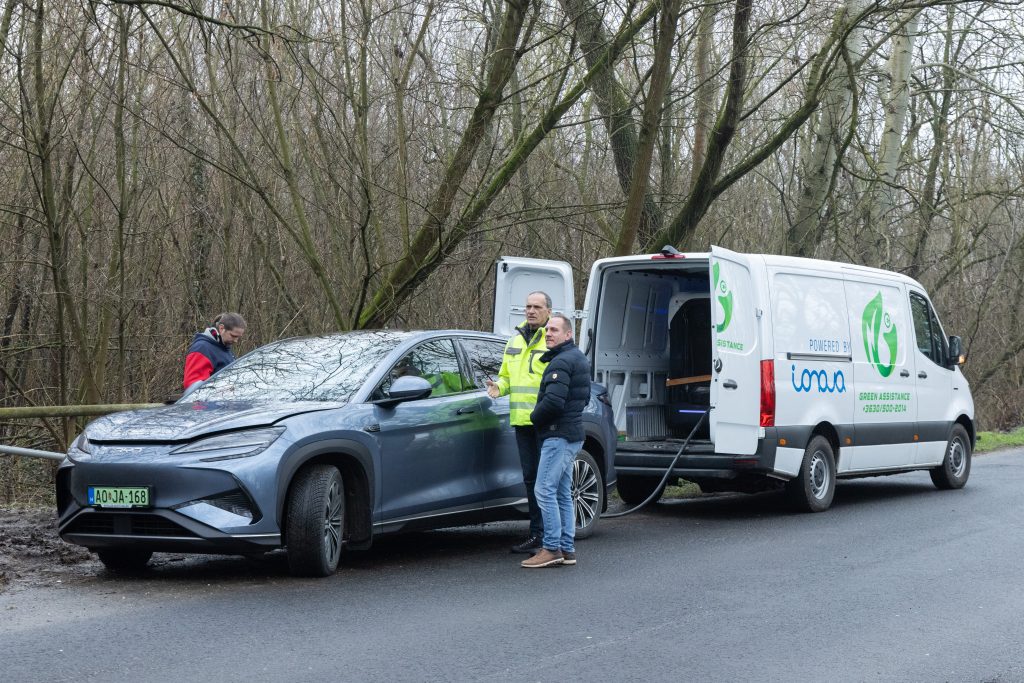
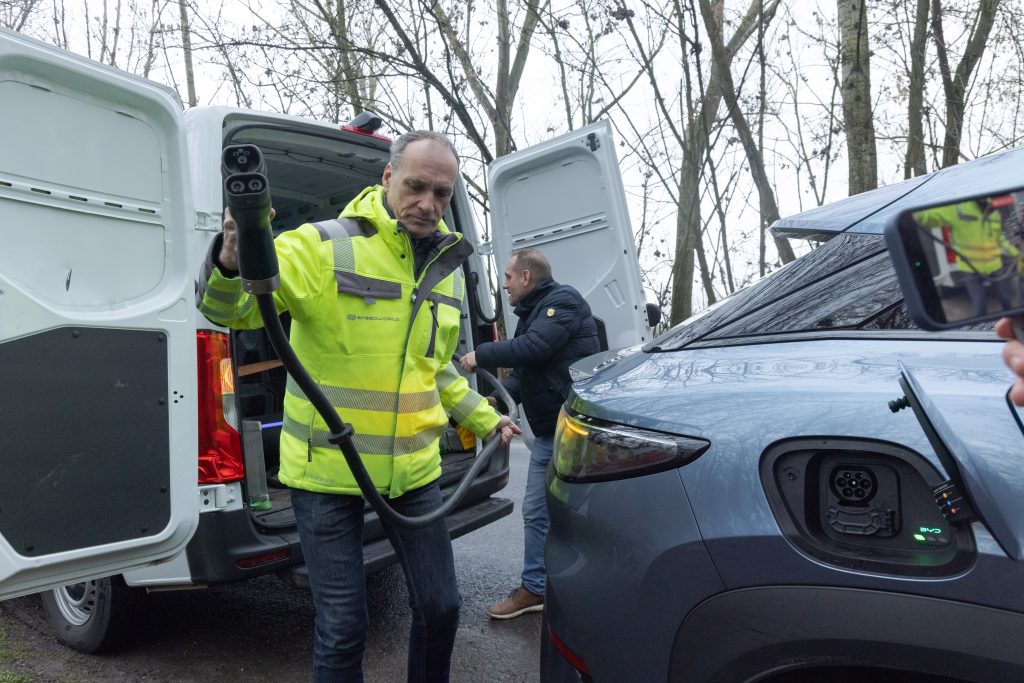
Special thanks go to JP Autó’s Kia dealership in Fót, Green Assistance EV roadside service, the Mobiliti charging network, and the Fót Public Volunteer Civil Guard Association for their support in running the event.
A detailed breakdown of the winter range results for all tested models is available via the link.
ELMOB plans to make these tests a regular event. The next range test—this time in summer—is scheduled for June 7, 2026.